

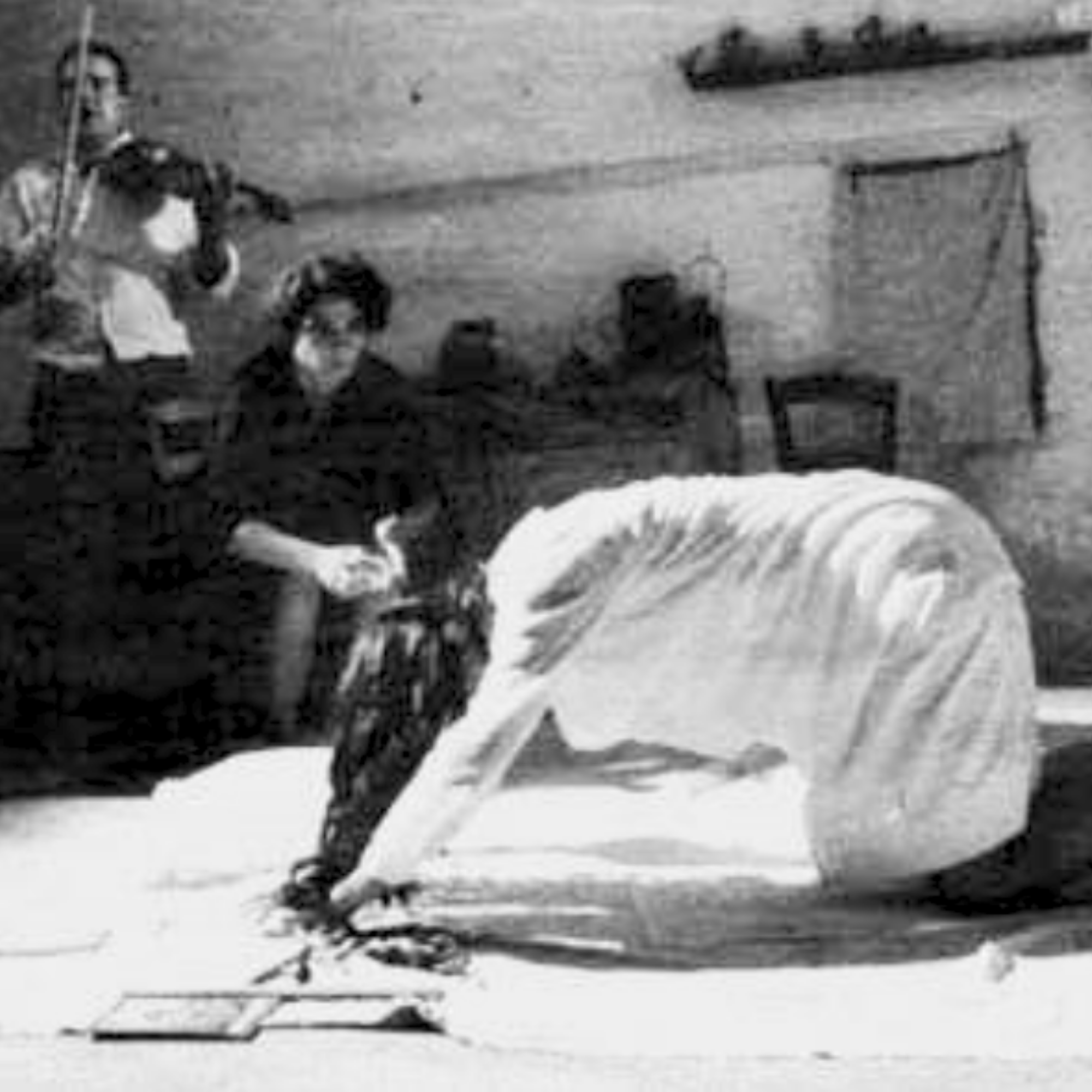
Tarantate
Tarantate began with a question:
What happens when women reclaim the parts of themselves history taught them to suppress?
Desire. Sensuality. Instinct. Vitality. Creative force. Emotional truth.
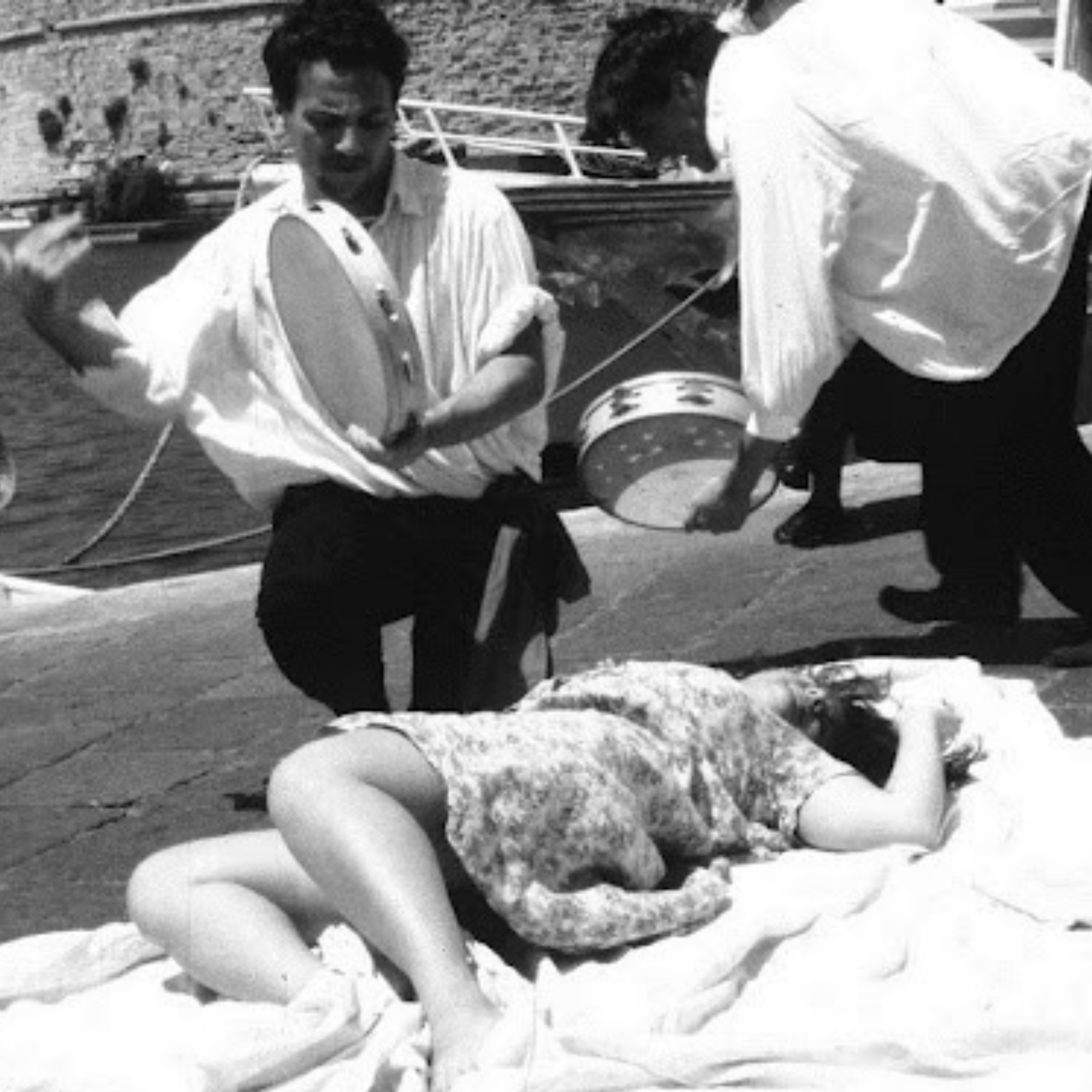
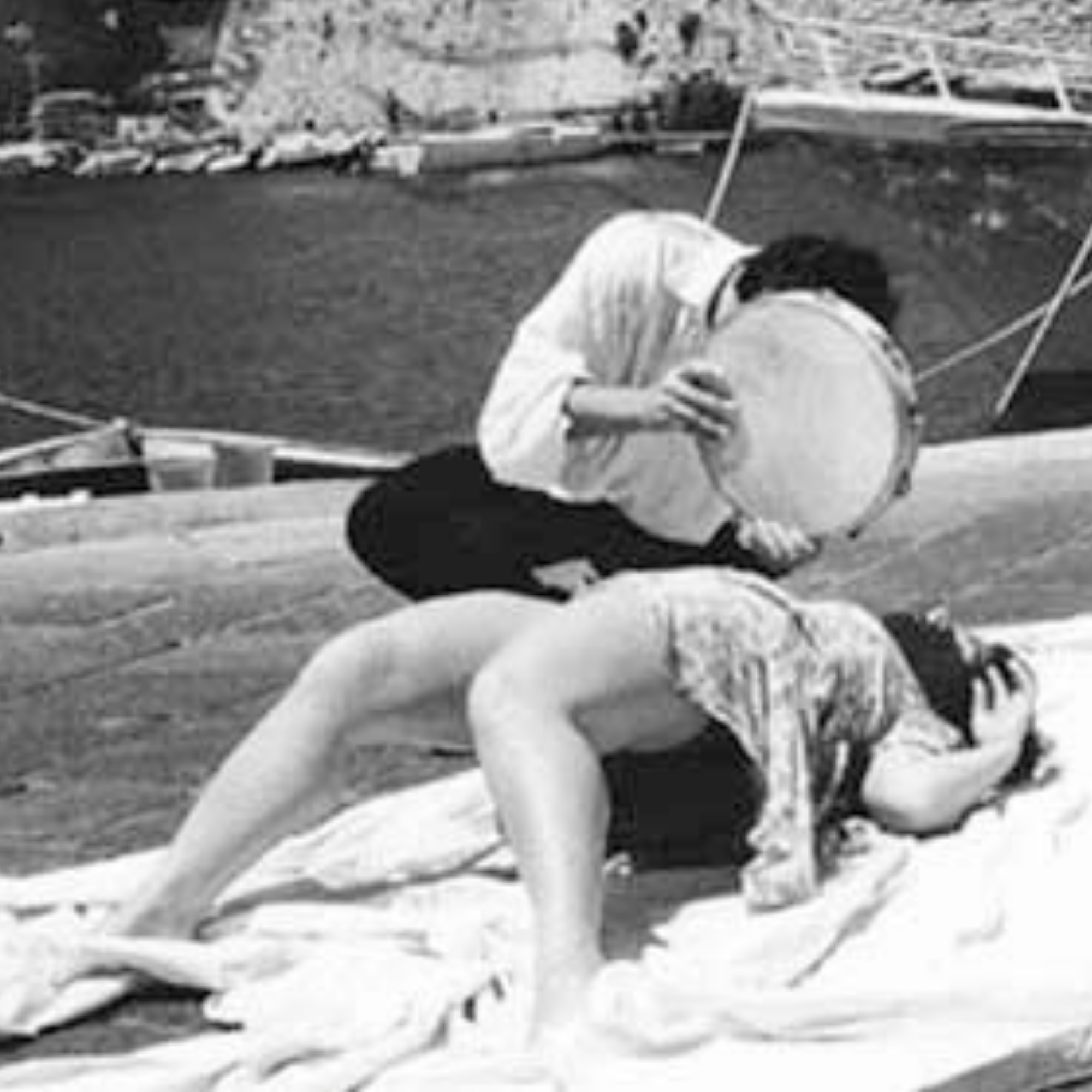
The name Tarantate comes from Tarantata, women connected to the Southern Italian folk phenomenon known as Tarantism. According to folklore, a woman experienced the "illness" or "affliction" known as Tarantism when she was "bit" by a spider. The bite explained what folk and patriarchal societies struggled to make sense of…
Rage. Longing. Exhaustion. Sensuality. Erotic expression. Grief. Radiance…
…all simultaneously coveted and cornered by highly restrictive social structures, and then trapped beneath systems that often framed women’s emotional lives as irrational, excessive, or something to be controlled.
Essentially, emotions and expressions that exceeded what women were expected to contain. The movements that did not politely perform or restrain.
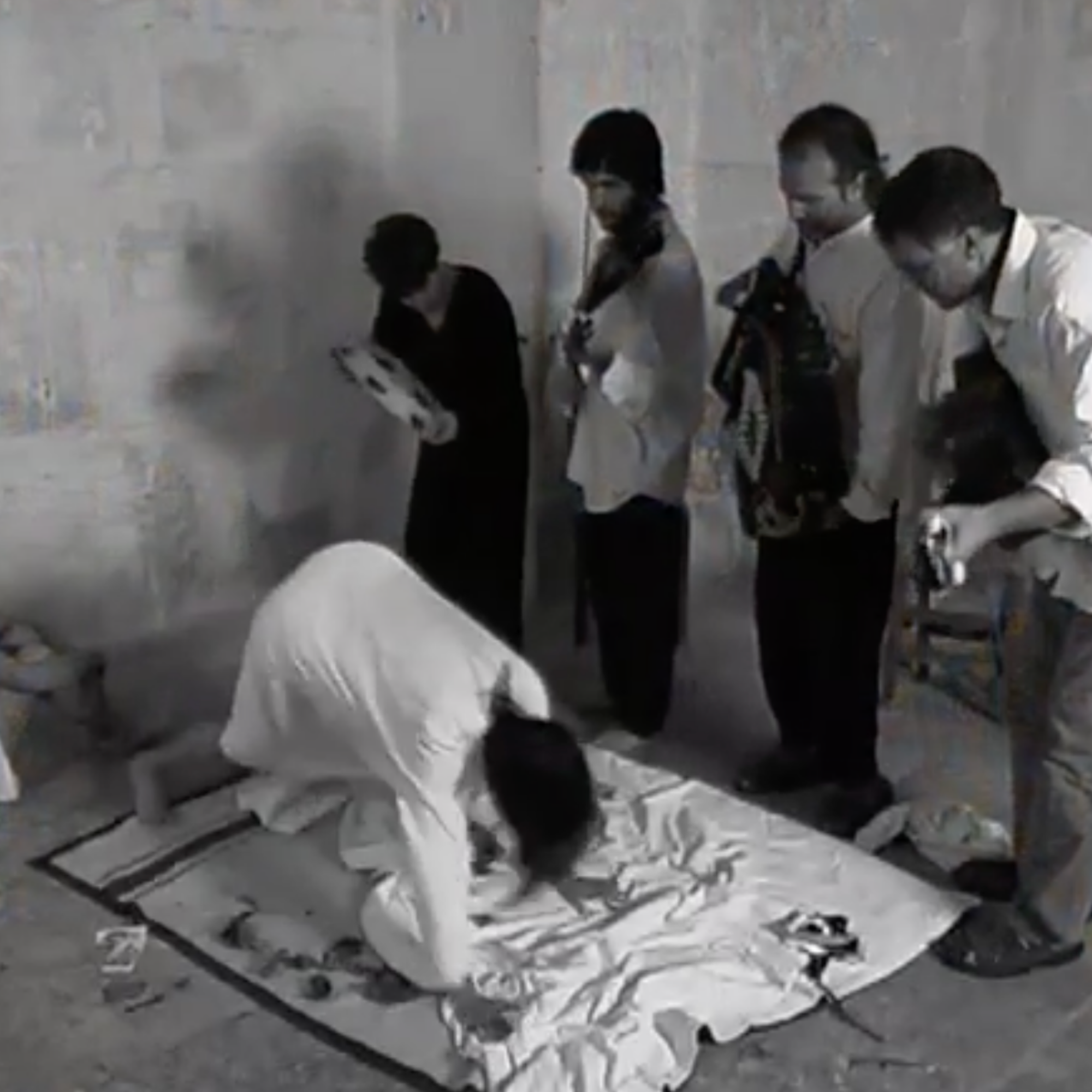
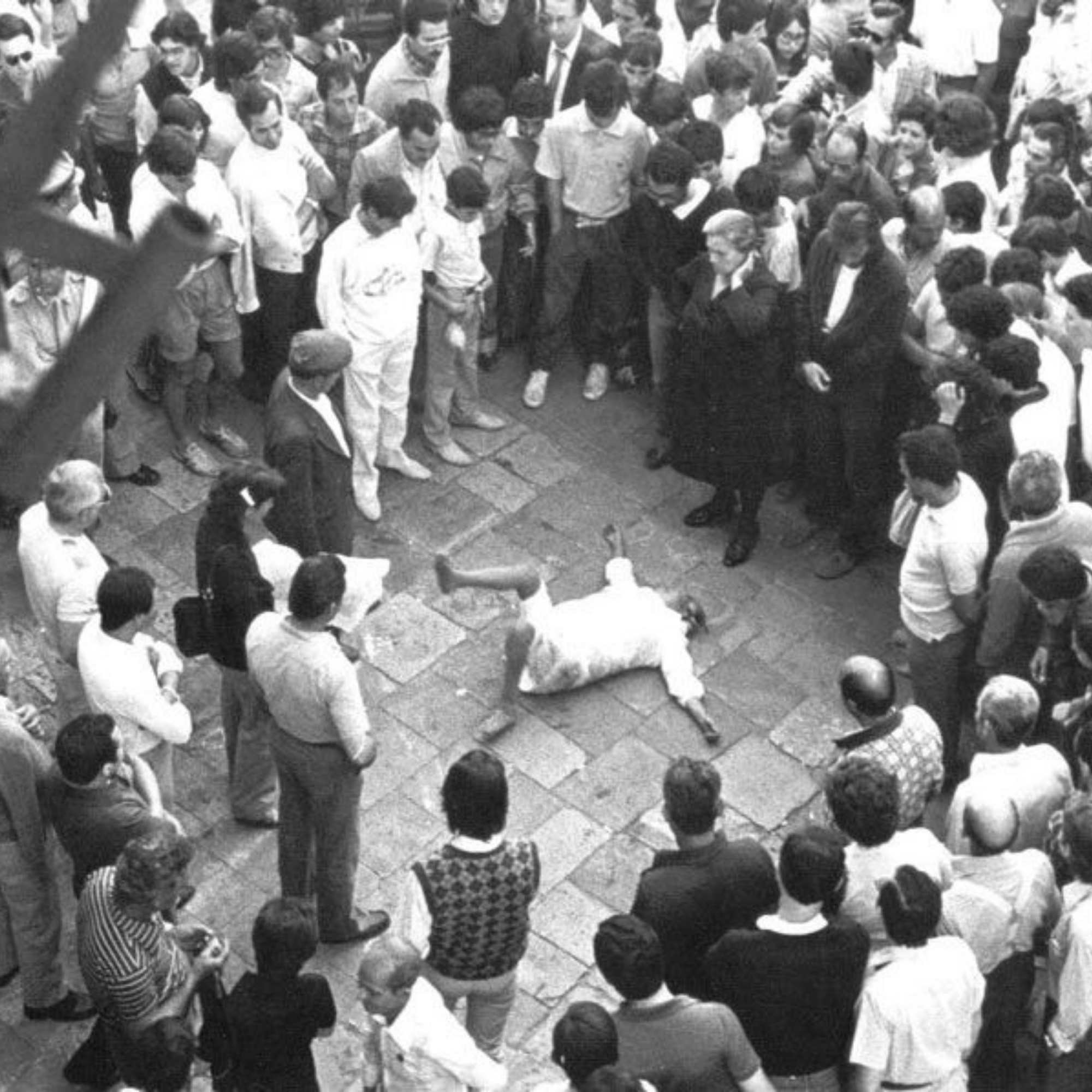
In moments of depression, anxiety, grief, emotional suffering, or internal unrest, the ritual of the bitten woman began. The community gathered around the sufferer. Her pain was not hidden from view or isolated into privacy. It belonged to the collective. Music and people filled the square. Rhythm swelled. Bodies moved until emotion traveled somewhere language could not reach. The healing itself was communal. The soul unloaded. People witnessed the spirit of a woman unleashed, and understood.
Within the Tarantate existed an understanding modern systems still struggle to recreate: healing can happen inside expression, movement, music, ritual, rhythm, witness, and collective care. In a world where women often suffered deeply in silence, the dance created a socially acceptable space to express grief, loneliness, rage, desire, sensuality, exhaustion, longing, and emotional intensity publicly, surrounded by community rather than shame.
Bodies became instruments that got every note played in the plaza. And the body expressed what language could not.
Historians, anthropologists, and feminist interpretations continue to examine Tarantism through multiple lenses: ritual healing, rites of passage, sexuality, puberty, emotional suffering, social oppression, collective care, and embodied resistance within patriarchal systems.
For some, Tarantism represented illness. For others, it was a healing ritual or rite of passage. For others still, something closer to a human process and the pathway to liberation.
For many, it was language of movement while being forced to live inside an oppressive world that demanded silence and complicity.
Tarantate draws from that inheritance.
There is an untamed nature inside every woman. Southern Italian or not. A force carried through generations, waiting to be remembered.
Shaped through Southern Italian culture, New York Italian immigrant lineage, and contemporary womanhood, Tarantate transforms cultural memory into modern luxury wear that moves with you.
Each collection begins with a story. Some emerge from lineage, archetypes, or women whose lives altered culture.
All draw from those who carried pieces of themselves across generations and reimagined them through modern life.
A conversation between Italy and New York in the context of the modern world.
Between inheritance and autonomy, memory and becoming, lineage…
and whatever legendary creations come next.
Fashion shapes culture.
It communicates status, identity, belonging, rebellion, sensuality, power, and who society decides deserves to be seen.
Tarantate exists inside a larger conversation about women, autonomy, labor, sexuality, dignity, and liberation.
10% of all profits from the sale of Tarantate shoes go to support the Red Umbrella Fund.
Because conversations around sex work, sexual labor, exploitation, stigma, and bodily autonomy deserve nuance.
Sex work and trafficking are not the same thing.
Trafficking is force, fraud, coercion, and exploitation.
Sex work exists across a broad spectrum of labor and lived experience.
Some people enter the industry through choice and agency.
Some experience exploitation, instability, violence, poverty, or coercive conditions.
Some need resources to stay.
Some need resources to leave.
Reducing human beings to simplistic narratives has never created safety.
Criminalization, stigma, shame, and social exclusion create conditions where vulnerability and dehumanization grows.
Liberation requires complexity, listening, and building systems where people have safety, agency, autonomy, dignity, healthcare, resources, and options.
Tarantate believes culture moves forward when women and marginalized communities have greater authorship over their lives, bodies, labor, expression, and futures. We also believe that people should be compensated fairly for their erotic power, should they choose to be.
Fashion has always shaped power.
It can reinforce systems, challenge them, and help fund liberation.
Because what women wear has never only been fashion.
It has always been connected to freedom.
Learn more about the Red Umbrella Fund
by tapping the logo here.


Founder
Kate Bailey is the founder and creative force behind Tarantate.
An Italian American designer, creatrix, and communication leader, her work lives at the intersection of fashion, culture, and embodied presence. Kate brings uncompromising vision and emotional intelligence to everything she builds. Born in New York with roots in Sicily and Southern Italy, Tarantate is both a cultural reclamation and a love letter to the ancestors and untamed women who shaped her.
For more than two decades, Kate’s work has centered around identity, communication, resilience, and human experience. Through Kate Bailey LLC, she built luxury brands, guided entrepreneurs, developed strategy, and mentored founders bringing bold ideas into the world.
Alongside entrepreneurship, Kate served as an Instructor for the New York City Fire Department, training more than 20,000 students in crisis response and emergency care. Her work in emergency medical services placed her alongside more than 60,000 patients across moments of profound vulnerability, including survivors of sexual violence and trauma.
These experiences shaped a leadership philosophy grounded in dignity, emotional intelligence, nervous system awareness, and compassionate care.
Kate’s work has also included teaching pole dance and erotic embodiment arts with deep appreciation for the educators, performers, and communities who preserve and advance these traditions. This work strengthened her commitment to challenging stigma and supporting the rights, dignity, safety, and humanity of sex workers. That commitment lives inside Tarantate.
10% of all profits support the Red Umbrella Fund, helping advance the rights and leadership of sex worker communities globally.
Tarantate exists at the intersection of craftsmanship, lineage, liberation, and cultural memory.
Built in conversation with the women who came before. Created for the women shaping what comes next.